What is Lyocell fabric? What are its properties?
In these times when sustainability has become central to our lives, the content of the clothes we wear or the home textiles we use has gained more importance than ever. One name that frequently appears on labels, captivating us with its unique softness when touched, is Lyocell . So, what is lyocell, which has rapidly increased in popularity in recent years , and why is it called "the fabric of the future"?
With its eco-friendly production processes and the comfort it provides , lyocell fabric has become one of the most valuable players in modern textiles. Are you ready to get to know this miraculous material, which is as naturally breathable as cotton, feels as soft as silk, and is as durable as synthetic fabrics? In this comprehensive guide, you will find answers to all your questions about what lyocell fabric is , what Tencel fabric is , the differences between them, and their areas of use.
What is Lyocell fabric?
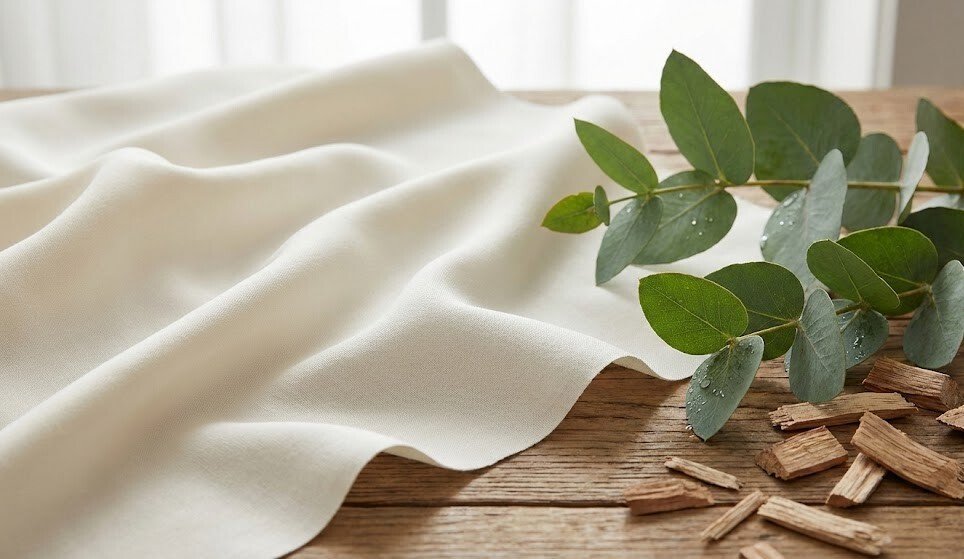
To begin with a technical definition, what is lyocell fabric ? Lyocell is a special type of fabric classified as semi-synthetic (or regenerated cellulose), produced from cellulose, a plant-derived fiber. However, don't let the term "semi-synthetic" mislead you; its raw material is entirely natural. It is typically obtained from the pulp of hardwoods such as eucalyptus, beech, oak, or birch.
What sets Lyocell apart is its unique combination of natural materials and technology. Being of plant origin , lyocell fabric is skin-friendly, biodegradable, and minimizes environmental impact. Considered a marvel of modern textile engineering, this fiber blends the absorbency of cotton, the drape of silk, and the coolness of linen all in one.
How is Lyocell fabric made?
Lyocell's production process is the biggest revolution that sets it apart from other viscose or rayon-derived fabrics. This process is known in textile literature as the "Closed Loop System." So, what does this mean?
-
Wood Pulp Preparation: Trees (typically eucalyptus) sourced from sustainably managed forests are cut into small pieces and processed into wood pulp.
-
Mixing with Solvent: The resulting cellulose pulp is mixed with an organic and non-toxic solvent called NMMO (N-Methylmorpholine N-oxide). This substance dissolves the cellulose, forming a honey-like solution.
-
Fiber Spinning: The mixture is passed under high pressure through sieve-like heads called "spinnerets" to form fine fibers.
-
Recycling Loop: This is where the magic happens. Over 99% of the solvent and water used are recovered and reused repeatedly in the production process. This reduces waste to almost zero.
-
Yarn and Fabric: The dried fibers are spun into yarn and then woven to form lyocell fabric .
This method is highly environmentally friendly, unlike the production of petroleum-derived synthetics such as polyester, or traditional viscose production which requires intensive chemicals.
Where is Lyocell fabric produced?
Although lyocell fabric production is becoming increasingly widespread in the global textile market , the heart of this technology beats in Europe. The Austrian-based Lenzing AG , the inventor and largest producer of lyocell fiber, sets the quality standards worldwide . Lenzing is also strictly committed to sustainable forestry principles.
The main countries where lyocell production is concentrated are as follows:
-
Austria: A center where the highest quality and environmental standards are applied.
-
USA and UK: Technology-focused manufacturing facilities.
-
China and India: Asian giants expanding their production capacity in response to rising demand.
However, not all lyocell is of the same quality. Rather than the place of production, the transparency and certifications of the technology used in production are the main factors determining the final quality of the fabric.
What are the properties of Lyocell fabric?
Why do consumers love lyocell so much? The answer lies in the list of lyocell features . This fabric possesses a number of superior qualities that set it apart from its competitors in terms of user experience:
-
Softness: The smooth surface of the fibers provides a silky touch to the skin. Perfect for those with sensitive skin.
-
High Moisture Management: Absorbs moisture much more effectively than cotton and quickly transfers it away. This keeps the body dry.
-
Breathability: It has high air permeability, making it indispensable for the summer months.
-
Natural Antibacterial Effect: Because it traps moisture within the fibers, it prevents the formation of dampness that would cause bacterial growth on the surface. This feature ensures that lyocell fabric products smell clean for longer (they don't produce odors).
-
Thermal Regulation: Helps regulate body temperature; keeps you cool in hot weather and warm in cold weather.
-
Durability: It is highly durable both wet and dry, and does not wear out easily.
-
Draping Look: The fabric's natural weight and structure ensure that garments drape elegantly and gracefully on the body.
-
Environmentally friendly: Completely biodegradable.
Is Lyocell fabric of good quality?
Absolutely yes. In the textile world , lyocell fabric is considered a "premium" material. The most important factor determining its quality is its versatility. It offers both a luxurious aesthetic appearance and high functional performance.
A high-quality lyocell fabric:
-
It retains its color after washing (high color fastness).
-
It doesn't pill easily.
-
It can be used for many years without losing its shape.
For these reasons, many quality-conscious manufacturers, from luxury clothing brands to home textile giants, are giving lyocell a prominent place in their collections.
Are Tencel and Lyocell the same?
This is one of the details that confuses consumers the most. The difference between Tencel and Lyocell is actually quite simple: one is a brand name, the other is a generic name.
Think of it this way: Every "Selpak" is a tissue, but not every tissue is a "Selpak".
-
Lyocell: This is a general generic name for fibers. Different companies may produce them under different names.
-
Tencel™: A patented brand name given by the Austrian company Lenzing AG to its lyocell fibers.
So, what is Tencel fabric and why is it special? If you see the Tencel™ label on a product, you can be sure that the product was produced using environmentally friendly processes, its raw materials come from sustainably managed forests, and its quality standards are of the highest level.
How to Use Lyocell Fabric?
Lyocell's flexible structure allows it to be processed in a wide variety of ways. It is sometimes used in its pure form, and sometimes mixed with cotton, wool, silk, polyester, or linen.
-
In blends: When mixed with cotton, it increases the softness of the fabric. When mixed with polyester, it improves the breathability of the product.
-
Washing and Care: It is generally recommended to wash in a washing machine at 30-40 degrees Celsius on a delicate cycle. A slight shrinkage may occur during the first wash, but this is minimized in high-quality products.
Is Lyocell fabric nylon or cotton?
Lyocell is neither nylon (synthetic) nor cotton (a completely natural agricultural product). It is a third category that combines the best of both worlds:
-
Not Nylon: Nylon is a petrochemical derivative, causes sweating, and is not biodegradable. Lyocell, on the other hand, is plant-based, breathable, and environmentally friendly.
-
It's not cotton: Cotton grows in fields and requires a lot of water. Lyocell is produced from trees in a factory using a closed-loop system with minimal water.
It has the natural feel of cotton but its surface is smoother and shinier than cotton. In terms of durability, it rivals synthetics.
Applications of Lyocell Fabric
Thanks to its flexible, durable, and comfortable structure , lyocell has almost limitless applications . Here are some of the most common areas where we encounter it:
-
Ready-to-wear Clothing:
-
T-shirts, shirts, and blouses (for their flowing drape).
-
Jeans and denim trousers (to add softness).
-
Dresses and skirts.
-
Sports clothing (thanks to its moisture-wicking properties).
-
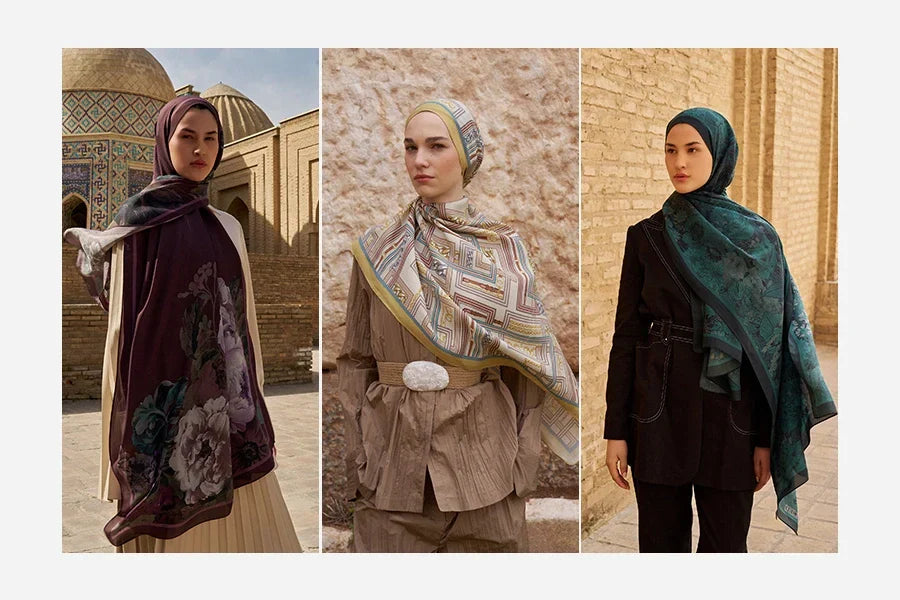
Modest Clothing ( Shawl ) .
-
Underwear:
-
It is frequently preferred in panties, undershirts, and bras due to its antibacterial and gentle structure for sensitive areas.
-
Home Textiles:
-
Tencel fabric bedding, duvet covers, and pillowcases are very popular because they improve sleep quality.
-
Towels and bathrobes (for high water absorbency).
-
Medical Textiles:
-
Its hypoallergenic properties make it suitable for use in bandages and medical garments.
Important Considerations for Lyocell Fabric Products
As a conscious consumer , reviewing the list of things to consider when buying Lyocell will ensure you get the most out of your money:
-
Label Check: Check if the product is 100% Lyocell or a blend. In blends, the higher the Lyocell content, the greater the comfort.
-
Brand Assurance (Tencel™): Choose products with the Tencel™ label whenever possible. This indicates that the product is guaranteed in terms of sustainability and quality.
-
Fabric Feel: Touch the fabric. Lyocell should feel slightly slippery, cool, and silky. If it feels too stiff or excessively rough, it may be of poor quality.
-
Price Balance: Lyocell production is a more expensive technology than conventional cotton or polyester. Therefore, products sold significantly below the market average are unlikely to be pure lyocell.
-
Care Instructions: Check if it says "Dry Clean Only". For daily use, machine washable lyocell products are more practical.
In short, lyocell fabric is one of today's most ideal textile solutions for both protecting our planet and providing our skin with the comfort it deserves. If you want to create a sustainable wardrobe, you should definitely give lyocell fabric products a try.